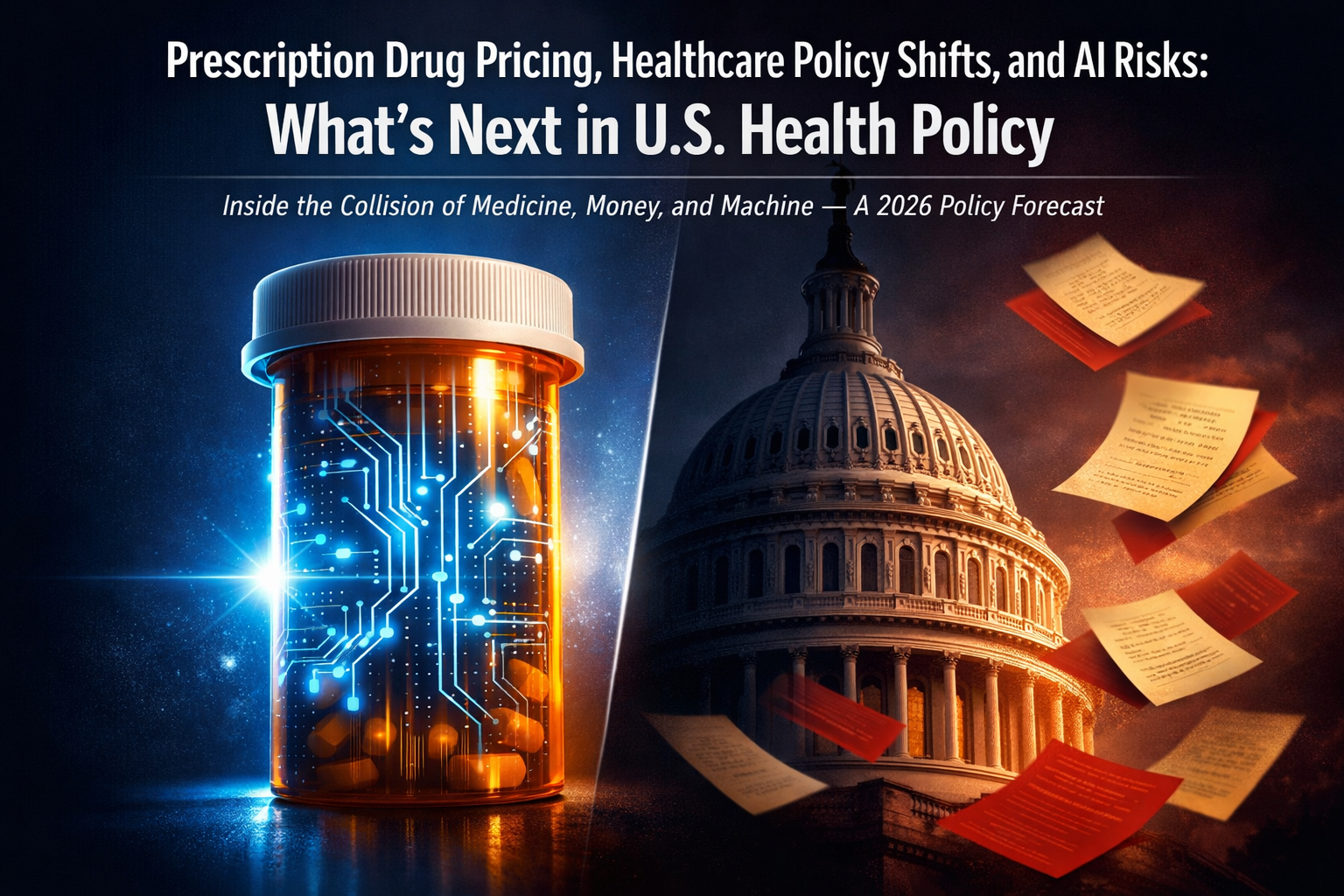
Introduction: A Pivotal Moment in U.S. Healthcare Policy
The U.S. healthcare system is undergoing a period of intense transformation, driven by political shifts, regulatory changes, and technological challenges. As Congress returns from a brief recess, lawmakers are grappling with war powers resolutions, funding battles, and a growing focus on prescription drug affordability. Meanwhile, the Trump administration continues to push forward with sweeping executive actions, while federal agencies like the FDA and CMS roll out new rules that could reshape how treatments are developed, priced, and delivered.
This week’s developments highlight a broader trend: the intersection of policy, innovation, and patient access. From the White House to Capitol Hill and federal agencies, decisions made in early 2026 could have long-term consequences for millions of Americans.
Prescription Drug Affordability Takes Center Stage
President Donald Trump made healthcare and drug pricing a cornerstone of his recent State of the Union address, calling on Congress to codify most-favored-nation (MFN) pricing agreements. This move aims to ensure that U.S. patients benefit from the lowest drug prices available globally—a policy that could significantly reduce out-of-pocket costs for millions.
The administration also highlighted the success of TrumpRx, a program designed to connect patients with discounted medications. While the initiative has gained attention, critics point to discrepancies in pricing compared to generic alternatives and other discount platforms. A recent report by Democratic staff on the House Committee on Energy and Commerce found that many drugs listed on TrumpRx are either available at lower prices elsewhere or have affordable generic equivalents.
Despite these concerns, the push for drug price reform remains a top priority. With the 2026 midterm elections looming, the political landscape could shift dramatically, potentially opening the door for more aggressive legislative action.
Regulatory Shifts: FDA and CMS Move to Strengthen Oversight
The U.S. Food and Drug Administration (FDA) and Centers for Medicare & Medicaid Services (CMS) are both taking significant steps to address systemic issues in healthcare delivery.
In a major move, the FDA released draft guidance on the Plausible Mechanism Framework, a new pathway to accelerate the development of individualized therapies for ultra-rare genetic conditions. This framework allows for the approval of treatments based on biological plausibility and targeted genetic evidence—bypassing traditional clinical trials that are often impractical for small patient populations.
Meanwhile, CMS issued a request for information (RFI) on a new initiative called Comprehensive Regulations to Uncover Suspicious Healthcare (CRUSH). The RFI seeks public input on how to detect and prevent fraud, waste, and abuse in Medicare programs. As part of this effort, CMS announced a six-month moratorium on new enrollments for DMEPOS (Durable Medical Equipment, Prosthetics, Orthotics, and Supplies) suppliers—a move aimed at curbing overpayments and ensuring compliance.
AI Risks and Federal Technology Policy
In a bold move, the U.S. Department of War (DOW) declared a major AI company a supply chain risk, ordering federal agencies to halt the use of its products. The decision, made by Secretary Pete Hegseth, stems from concerns over data security, foreign influence, and the potential misuse of advanced AI systems.
This directive has far-reaching implications, especially for federal health agencies like HHS, which rely on AI-driven tools for data analysis, patient care, and research. The ban could disrupt existing partnerships and force agencies to reevaluate their technology infrastructure.
President Trump’s endorsement of the move underscores a broader national security focus on AI. With the rapid development of frontier models, federal agencies are now tasked with balancing innovation with risk mitigation—a challenge that will only grow in the coming years.
Workforce and Labor Policy Changes
The U.S. Department of Labor (DOL) has proposed a new rule to redefine independent contractor status, aiming to provide clearer guidelines for businesses and workers alike. The proposed rule would rescind a 2024 Biden-era regulation and replace it with a framework that better accounts for economic realities.
This shift could impact healthcare providers, particularly those who rely on independent contractors for administrative, clinical, or support roles. With the public comment period open until April 28, 2026, stakeholders will have the opportunity to influence the final rule.
The Future of Healthcare: Innovation Meets Regulation
As the U.S. navigates these complex policy shifts, one thing is clear: the future of healthcare will be shaped by the interplay of innovation, regulation, and political will.
From the push for drug price transparency to the FDA’s new pathways for rare disease treatments, and from AI safety concerns to labor policy reforms, the next few months will be critical.
For patients, the potential benefits are significant—lower costs, faster access to new therapies, and stronger protections against fraud. For providers and insurers, the changes mean adapting to new rules, compliance requirements, and evolving technology.
Conclusion: A New Era of Healthcare Policy
The developments in early 2026 signal a turning point in U.S. healthcare policy. With the federal government taking a more active role in shaping drug pricing, technology use, and regulatory oversight, the path forward is both promising and uncertain.
Stakeholders must stay informed, engage in the public comment process, and advocate for policies that balance innovation with equity and safety.
As the political and regulatory landscape continues to evolve, one thing remains certain: the decisions made today will shape the future of healthcare for years to come.
Share:
I Represented a Cat in Court”: 12 Real Employment Law Cases That Sound Like Fiction (But Aren’t)
Gold Card Lawsuit 2026: A Legal Battle That Could Reshape Immigration for Investors and Skilled Workers