
Bank of America’s rewards program is changing in a big way, and for many cardholders, the update is going to affect how they think about value. The program is being rebranded as BofA Rewards, and the structure is shifting to new tiers, new balance requirements, and a new way of thinking about how the credit card bonus is earned.
For some customers, the change will be a small adjustment. For others, it will mean losing access to the bonus level they have relied on for years. That is why this update matters: it is not just a cosmetic rebrand, but a meaningful change in how the program works.
What Is Changing?
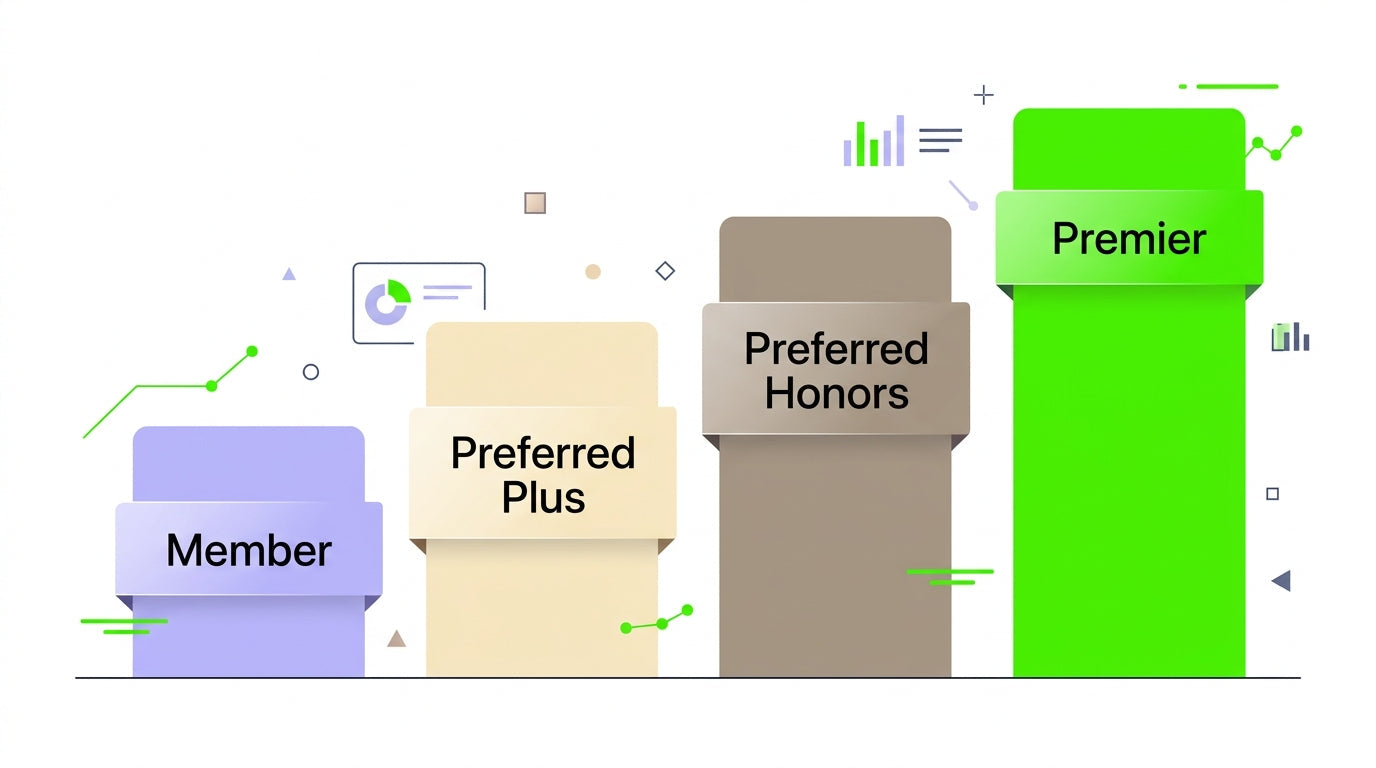
The new version of the program introduces a four-tier system. Instead of the older structure, customers will now fall into one of these groups based on their combined qualifying balances across eligible Bank of America deposit accounts and Merrill investment accounts: Member Tier, Preferred Plus Tier, Preferred Honors Tier, or Premier Tier.
The biggest headline change is the top reward level. Under the new system, the 75% credit card rewards bonus is reserved for customers with a $1 million+ combined balance in the Premier Tier. That is a major jump from the previous structure, where a $100,000 balance could qualify someone for the top bonus level.

The New Tier Structure
Here is the new tier framework in plain language:
Member Tier
For balances under $30,000, customers can receive a 10% credit card bonus, along with smaller banking and loan-related benefits.
Preferred Plus Tier
For balances from $30,000 to $99,999, customers can receive a 25% bonus, plus additional fee discounts and account perks.
Preferred Honors Tier
For balances from $100,000 to $999,999, customers receive a 50% bonus, plus a wider set of banking and lifestyle benefits.
Premier Tier
For balances of $1 million or more, customers receive the full 75% bonus, along with the most exclusive benefits in the new system.
If you have been in the old Platinum Honors tier, this is probably the most important point to understand: a balance that once earned the highest bonus may now only qualify for the 50% tier. That alone can change the value of the entire program for long-time customers.
What Existing Customers Should Know
If you are already enrolled, the transition does not happen overnight. Existing members keep their current benefits for at least six months after the rollout, and the credit card bonus remains unchanged until the next program enrollment anniversary month. For some customers, that means the old bonus could continue for quite a while before the new system takes effect.
That transition window matters because it gives current members time to prepare. If your balances are close to the next tier, or if you are thinking about moving assets between accounts, the timing of your anniversary month becomes especially important.
How to Think About the New Program
The new rewards structure is not automatically better or worse for everyone. It depends on your financial situation, your balance level, and how you use your accounts.
If you are a higher-balance customer, the new program may still work well for you, especially if you qualify for the top tier. If you are below the old sweet spot but above the entry level, the change may feel less rewarding than before. The middle group appears to be the one most affected by the shift.
A simple way to evaluate the program is to ask:
- Do my current balances still qualify me for the bonus I expect?
- Am I getting enough value from the extra banking perks?
- Would moving assets into Merrill improve my tier status?
- Does the rewards structure still match how I actually bank and spend?
Those questions are more useful than looking only at the headline percentage.

A Better Way to Evaluate Rewards Value
One of the easiest mistakes people make with rewards programs is focusing on the advertised value instead of the value they actually receive. A 75% bonus sounds impressive, but it only matters if you can realistically qualify for it and use the program in a way that fits your financial life.
That is why a yearly review is so helpful. Compare your bonus, account perks, and any fee discounts against what you actually use. If the program still gives you more value than it costs, it may be worth keeping. If not, it may be time to rethink your setup.
Suggested Visual Placement
If you are reusing visuals from your source PDF, this is the ideal place to add them:
- A tier comparison chart
- A simple old-vs-new bonus table
- A visual breakdown of the four new tiers
A graphic here would make the article easier to scan and would help readers understand the new structure quickly.
Should You Make Changes Now?
If you are close to a higher tier, it may be worth reviewing your balances before the new rules fully settle in. The source material suggests that existing members and new customers may be affected differently, so it is smart to check your account details and understand your anniversary timing before making any decisions.
If you have the flexibility to move assets, doing so strategically may help you qualify for a stronger tier. If you do not, the best move may simply be to understand the new rules and decide whether the program still makes sense for your routine.
Final Thoughts
Bank of America’s 2026 rewards update is a good reminder that loyalty programs are always evolving. What used to be a simple bonus structure is becoming more tiered, more selective, and more dependent on how much money you keep within the bank’s ecosystem.
For some people, the new system will still offer solid value. For others, it may feel like the rules have shifted too far in the bank’s favor. Either way, the smartest response is the same: know your numbers, understand your tier, and make sure the rewards still fit your financial goals.
Share:
Could DOJ Staffing Pressure Delay Your Federal Lawsuit? What Businesses Should Know in 2026
How Businesses Can Negotiate Legal Fees in 2026 Without Losing Control of Costs