
This article is for informational purposes only and is not legal advice.
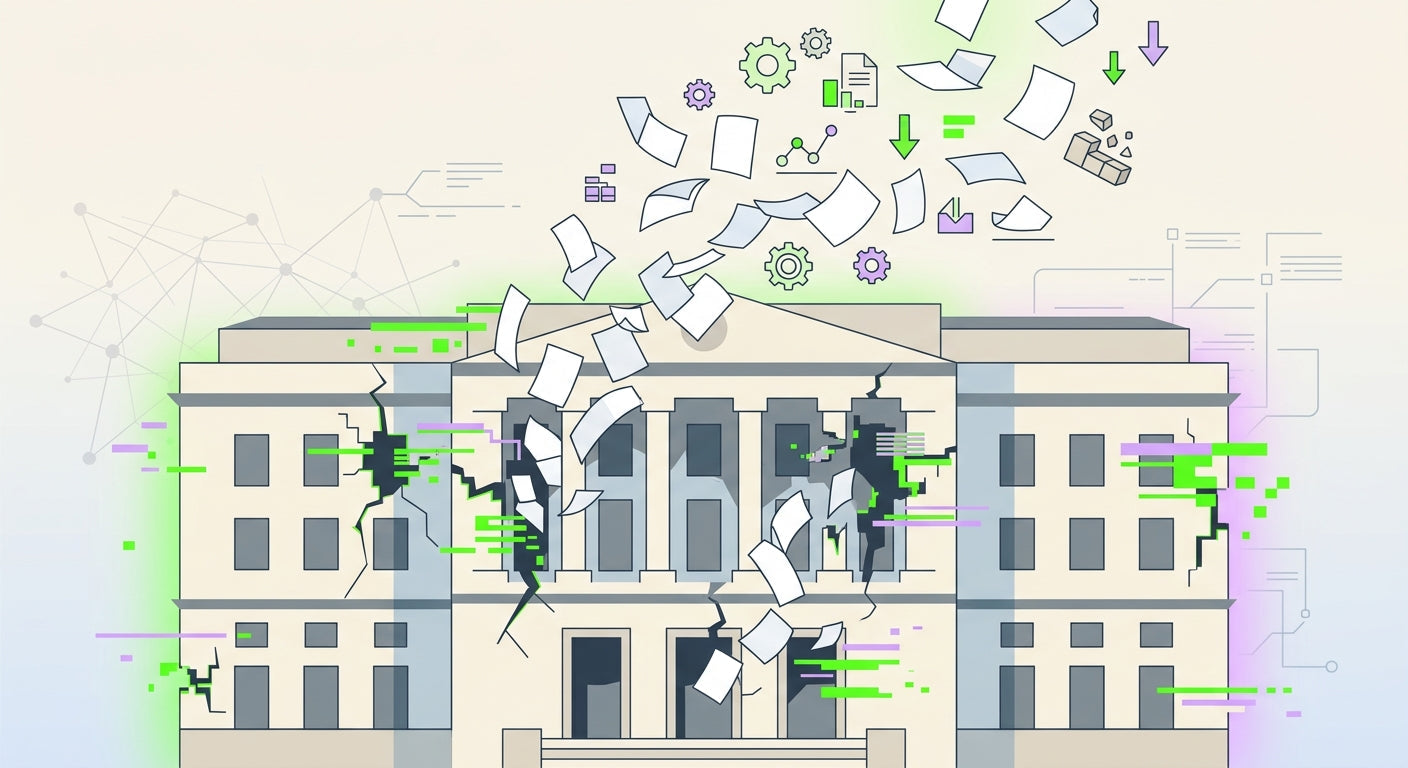
If your business is involved in federal litigation, the process may feel less predictable than it once did. Reports of major staffing strain within the Department of Justice, combined with broader jurisdictional complications, have raised real concerns about delays, case backlogs, and enforcement priorities in 2026. The practical question for business owners is not simply whether the system is under pressure, but how that pressure could affect a pending or potential case.
The short answer is that slower timelines, more uncertainty, and higher legal costs are all possible. In a strained legal environment, businesses need to think less like spectators and more like operators: stay organized, document everything, and reduce the chance that an avoidable issue becomes a legal problem.
Why DOJ Staffing Pressure Matters
A federal case does not move in a vacuum. It depends on investigators, attorneys, support staff, prosecutors, court scheduling, and the broader administrative system that keeps everything moving. When those resources are stretched thin, delays tend to show up everywhere—from discovery to hearings to settlement discussions.
The source material describes a significant staffing decline and notes that the widening gap between resources and caseloads is a major driver of federal lawsuit delays. It also points to budget pressure and jurisdictional issues as additional sources of strain.

What Delays Could Look Like in Practice
If your business is already in a federal matter—or if one could arise—here are some of the most likely impacts:
- Discovery may take longer.
- Hearings may be postponed.
- Settlement discussions may slow down.
- Trial dates may be pushed further out.
- Legal fees may increase as the case drags on.
That does not necessarily mean your case is weaker. It means the process itself may become more time-consuming and expensive. In a slower system, strong organization becomes even more important because uncertainty tends to reward the party that is best prepared.
A Slower System Does Not Mean Less Scrutiny
One common assumption is that a strained DOJ means less enforcement. The reality is more complicated. When agencies have fewer resources, they often become more selective rather than less active. That can mean more targeted investigations, more data-driven enforcement, and a greater focus on cases that are easy to prove.
For businesses, that creates a different kind of risk. You may not face broad, sweeping reviews as often, but issues like poor records, inconsistent communication, and weak internal controls can become much more dangerous because they are easier for regulators to identify and act on.
Industries That Should Pay Close Attention
The article source identifies several sectors that may be under closer scrutiny during this period of targeted enforcement:
- Healthcare and pharma
- Financial services
- Tech and SaaS
- Government contractors
These industries often deal with sensitive data, billing practices, consumer protection issues, or federal funding requirements. That makes them natural focus areas when enforcement teams are working with limited resources and looking for clear violations.
Even if your business is not in one of those sectors, you should still pay attention if you handle consumer data, process payments, manage recurring subscriptions, or rely on detailed customer communications. Those areas can become legal pressure points surprisingly fast.
The Best Defense Is Better Documentation
When the legal environment becomes uncertain, good records become one of your strongest assets.
The source material recommends conducting a thorough internal audit of compliance and documentation processes and emphasizes that clear records can deter problems before they escalate.
That means businesses should make sure they can quickly answer questions like:
- What was promised to the customer?
- When was it promised?
- Who approved it?
- What was delivered?
- What records support that claim?
If your business can answer those questions cleanly, you reduce risk. If it cannot, you may be inviting avoidable trouble.
Customer Support Can Become a Legal Issue
One of the most overlooked sources of legal risk is customer communication.
A frustrated customer is not automatically a lawsuit, but inconsistent communication, unanswered complaints, and poor record-keeping can create exactly the kind of evidence problems that become expensive later. The source material notes that customer disputes and support failures can escalate into legal battles when communication is inconsistent or promises are not documented.
That is why support systems matter. Every conversation should leave a trail that is clear, consistent, and easy to review. If your support process is informal, it may also be legally fragile.

What Businesses Can Do Now
If your business wants to prepare for a more unpredictable federal legal environment, focus on the basics:
1. Review your records
Check whether your contracts, customer communications, invoices, and internal documentation are complete and easy to retrieve.
2. Standardize key processes
The more repeatable your customer-facing processes are, the easier it is to defend them later.
3. Improve compliance tracking
If your business operates in a regulated space, make sure you know which policies, logs, or disclosures need to be maintained.
4. Reduce manual inconsistency
The more your team improvises, the more likely mistakes are to happen. A documented system is safer than memory.
5. Get counsel involved early
If you are already facing a federal matter or believe one may arise, legal guidance early in the process is usually far more helpful than waiting until the problem grows.
Why Operational Order Matters
The broader lesson here is that external uncertainty is easier to manage when your internal systems are strong.
If enforcement becomes more selective, the businesses most likely to feel the pressure are the ones with weak documentation, inconsistent support, or poor compliance habits. If your systems are clean and your records are clear, you are in a much better position to handle delays or scrutiny without losing momentum.
The article source also emphasizes the value of automation in compliance, support, and sales workflows because it helps create consistent records and reduces preventable errors.
Final Thoughts
The DOJ staffing crisis described in the source material suggests a legal environment that may be slower, more selective, and more demanding for businesses in 2026. That does not mean every company is at immediate risk. It does mean that organization, documentation, and compliance are more important than ever.
If your business is already exposed to federal litigation or operates in a regulated industry, now is the time to tighten your internal systems. The best legal strategy is not panic. It is preparation.
Share:
How to Maximize Premium Credit Card Rewards Without Overspending
Bank of America Rewards Changes in 2026: What the New Tiers Mean for Cardholders